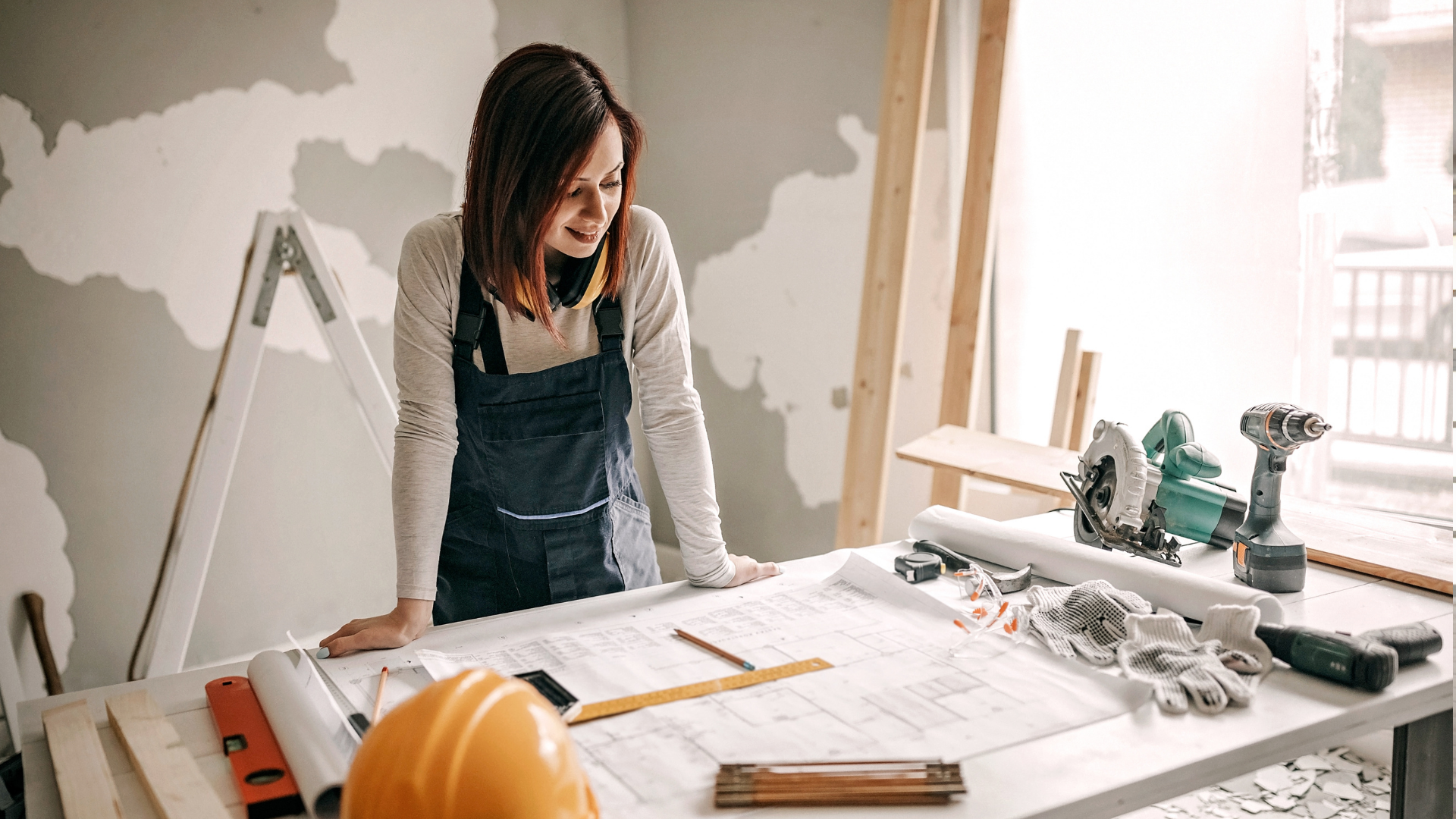
Home Reno Dreams? Let’s Talk Mortgage Financing

Carla Sturm • November 26, 2025

How to Use Your Mortgage to Finance Home Renovations

Home renovations can be exciting—but they can also be expensive. Whether you're upgrading your kitchen, finishing the basement, or tackling a much-needed repair, the cost of materials and labour adds up quickly. If you don’t have all the cash on hand, don’t worry. There are smart ways to use mortgage financing to fund your renovation plans without derailing your financial stability.


Here are three mortgage-related strategies that can help:


1. Refinancing Your Mortgage

If you're already a homeowner, one of the most straightforward ways to access funds for renovations is through a mortgage refinance. This involves breaking your current mortgage and replacing it with a new one that includes the amount you need for your renovations.


Key benefits:

  • You can access up to 80% of your home’s appraised value, assuming you qualify.
  • It may be possible to lower your interest rate or reduce your monthly payments.


Timing tip: If your mortgage is up for renewal soon, refinancing at that time can help you avoid prepayment penalties. Even mid-term refinancing could make financial sense, depending on your existing rate and your renovation goals.


2. Home Equity Line of Credit (HELOC)

If you have significant equity in your home, a Home Equity Line of Credit (HELOC) can offer flexible funding for renovations. A HELOC is a revolving credit line secured against your home, typically at a lower interest rate than unsecured borrowing.


Why consider a HELOC?

  • You only pay interest on the amount you use.
  • You can access funds as needed, which is ideal for staged or ongoing renovations.
  • You maintain the terms of your existing mortgage if you don’t want to refinance.

Unlike a traditional loan, a HELOC allows you to borrow, repay, and borrow again—similar to how a credit card works, but with much lower rates.


3. Purchase Plus Improvements Mortgage

If you're in the market for a new home and find a property that needs some work, a "Purchase Plus Improvements" mortgage could be a great option. This allows you to include renovation costs in your initial mortgage.


How it works:

  • The renovation funds are advanced based on a quote and are held in trust until the work is complete.
  • The renovations must add value to the property and meet lender requirements.

This type of mortgage lets you start with a home that might be more affordable upfront and customize it to your taste—all while building equity from day one.


Final Thoughts

Your home is likely your biggest investment, and upgrading it wisely can enhance both your comfort and its value. Mortgage financing can be a powerful tool to fund renovations without tapping into high-interest debt.

The right solution depends on your unique financial situation, goals, and timing. Let’s chat about your options, run the numbers, and create a plan that works for you.


📞 Ready to renovate? Connect anytime to get started!


Carla Sturm
GET STARTED
By Carla Sturm January 14, 2026
Thinking About Buying a Second Property? Here’s What to Know Buying a second property is an exciting milestone—but it’s also a big financial decision that deserves thoughtful planning. Whether you're dreaming of a vacation retreat, building a rental portfolio, or looking to support a family member with a place to live, there are plenty of reasons to consider a second home. But before you jump in, it's important to understand the strategy and steps involved. Start with “Why” The best place to begin? Clarify your motivation. Ask yourself: Why do I want to buy a second property? What role will it play in my life or finances? How does this fit into my long-term goals? Whether your focus is lifestyle, income, or legacy planning, knowing your “why” will help you make smarter decisions from the start. Talk to a Mortgage Expert Early Once you’ve nailed down your goals, the next step is to sit down with an independent mortgage professional. Why? Because buying a second property isn't quite the same as buying your first. Even if you’ve qualified before, financing a second home has unique considerations—especially when it comes to down payments, debt ratios, and how lenders assess risk. How Much Do You Need for a Down Payment? Here’s where the purpose of the property really matters: Owner-occupied or family use: You may qualify with as little as 5–10% down, depending on the property and lender. Income property: Expect to put down 20–35%, especially for short-term rentals or if it won’t be occupied by you or a family member. Your down payment amount can be one of the biggest hurdles—but with strategic planning, it’s often manageable. Ways to Fund the Down Payment If you don’t have the full amount in cash, you might be able to tap into your current home’s equity to help fund the purchase. Here are a few ways to do that: ✅ Refinance your existing mortgage to access additional funds ✅ Secure a second mortgage behind your current one ✅ Open a HELOC (Home Equity Line of Credit) ✅ Use a reverse mortgage (in certain age-qualified scenarios) ✅ Take out a new mortgage if your current home is mortgage-free These options depend on your income, credit, home value, and overall financial picture—another reason why having a pro in your corner matters. Second Property Strategy: It’s More Than Just Numbers This purchase should be part of a bigger financial plan—one that balances risk and reward. It’s about: Assessing your full financial health Maximizing your existing assets Minimizing your cost of borrowing Aligning your purchase with your long-term goals Ready to Take the Next Step? There’s no one-size-fits-all answer when it comes to buying a second property. That’s why it helps to talk things through with someone who understands both the big picture and the small details. If you’re ready to explore your options and build a plan to make that second property dream a reality, let’s connect. I’d love to help you take the next step with confidence.
By Carla Sturm January 7, 2026
If you're a homeowner juggling multiple debts, you're not alone. Credit cards, car loans, lines of credit—it can feel like you’re paying out in every direction with no end in sight. But what if there was a smarter way to handle it? Good news: there is. And it starts with your home. Use the Equity You’ve Built to Lighten the Load Every mortgage payment you make, every bit your home appreciates—you're building equity. And that equity can be a powerful financial tool. Instead of letting high-interest debts drain your income, you can leverage your home’s equity to combine and simplify what you owe into one manageable, lower-interest payment. What Does That Look Like? This strategy is called debt consolidation , and there are a few ways to do it: Refinance your existing mortgage Access a Home Equity Line of Credit (HELOC) Take out a second mortgage Each option has its own pros and cons, and the right one depends on your situation. That’s where I come in—we’ll look at the numbers together and choose the best path forward. What Can You Consolidate? You can roll most types of consumer debt into your mortgage, including: Credit cards Personal loans Payday loans Car loans Unsecured lines of credit Student loans These types of debts often come with sky-high interest rates. When you consolidate them into a mortgage—secured by your home—you can typically access much lower rates, freeing up cash flow and reducing financial stress. Why This Works Debt consolidation through your mortgage offers: Lower interest rates (often significantly lower than credit cards or payday loans) One simple monthly payment Potential for faster repayment Improved cash flow And if your mortgage allows prepayment privileges—like lump-sum payments or increased monthly payments—those features can help you pay everything off even faster. Smart Strategy, Not Just a Quick Fix This isn’t just about lowering your monthly bills (although that’s a major perk). It’s about restructuring your finances in a way that’s sustainable, efficient, and empowering. Instead of feeling like you're constantly catching up, you can create a plan to move forward with confidence—and even start saving again. Here’s What the Process Looks Like: Review your current debts and cash flow Assess how much equity you’ve built in your home Explore consolidation options that fit your goals Create a personalized plan to streamline your payments and reduce overall costs Ready to Regain Control? If your debts are holding you back and you're ready to use the equity you've worked hard to build, let's talk. There’s no pressure—just a practical conversation about your options and how to move toward a more flexible, debt-free future. Reach out today. I’m here to help you make the most of what you already have.